

Liver transplantation is one of the most complex surgical procedures. It requires precision, timing, and a well-coordinated team. In India, thousands await transplants each year, but many never receive one in time. The challenges are many, right from donor availability to postoperative care.
Artificial Intelligence (AI) is beginning to change that. It’s transforming the way liver transplants are planned, performed, and followed up. From predicting transplant outcomes to managing complications, AI is offering powerful tools for surgeons, hospitals, and patients.
New technologies in medicine are not something to be afraid of. On the contrary, these technologies work to boost treatment outcomes and prognosis while minimizing patient discomfort. Usage of AI for liver transplantation in India has a great future and will help thousands of patients who require transplants.

Current Scenario in India
Liver disease is a major health concern in India. Conditions like hepatitis, fatty liver, and cirrhosis are rising. For many patients, liver transplant is the only option for survival.
Key facts:
- Over 25,000 patients require liver transplants in India every year.
- Only about 2,000 to 3,000 transplants are performed annually.
- Many patients die while waiting for a suitable donor.
Surgeries are often performed in major urban centers. Access in rural areas is limited. Post-transplant care is critical but not always standardized. AI could help address several of these issues, making transplants more accessible and safer.
Barriers to Success in Liver Transplantation
Before getting into AI’s role, it’s important to understand the challenges that liver transplantation faces today.
1. Limited Organ Availability
- Waiting lists are long and unpredictable.
- Many organs are rejected due to poor matching.
- Late referrals worsen patient outcomes.
2. Complexity of Evaluation
- Assessing transplant eligibility involves many factors.
- Lab results, scans, and medical history must be analysed.
- Human error or delay can affect decision-making.
3. Intraoperative Risks
- Liver surgery is technically demanding and time sensitive.
- Small errors during surgery can lead to complications.
- Predicting bleeding risk is difficult during planning.
4. Post-Transplant Challenges
- Rejection and infection are common post-op concerns.
- Monitoring must be frequent and accurate.
- Many patients miss follow-ups due to distance or cost.
AI offers innovative solutions to these challenges through automation, prediction, and data-driven care.
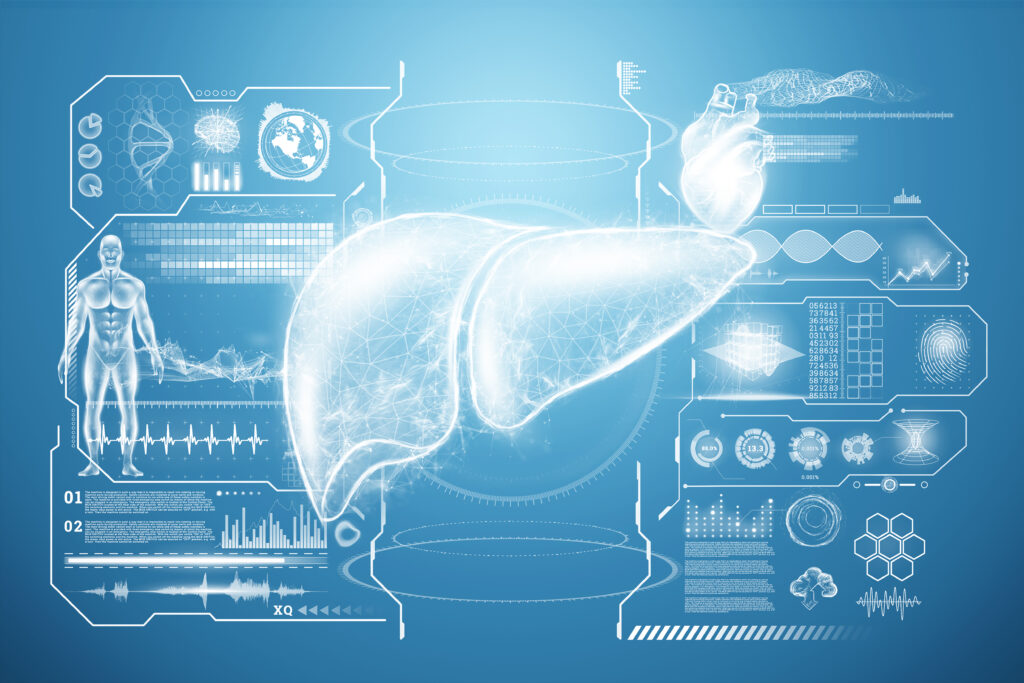
AI Applications in Liver Transplantation
AI is not a replacement for doctors. It is a tool that helps them make faster, better decisions.
Here’s how AI is being used in various stages of liver transplantation:
1. Predicting Patient Eligibility
- AI analyses patient history, lab reports, and scans.
- It can assess transplant suitability faster than manual review.
- Algorithms identify risks that may be missed by doctors.
2. Donor-Recipient Matching
- AI considers dozens of variables—age, blood type, liver size.
- Matching is faster and more accurate.
- It reduces the risk of rejection and failed grafts.
3. Surgery Planning and Simulation
- 3D imaging tools create virtual models of the liver.
- AI helps map out blood vessels and tumour locations.
- Surgeons can plan each cut before entering the OT.
4. Intraoperative Decision Support
- Real-time AI tools monitor vitals during surgery.
- They alert doctors to changes in heart rate or bleeding.
- Machine learning models help reduce surgery time.
5. Post-Operative Monitoring
- AI tools track recovery data via wearable sensors.
- They detect early signs of complications like rejection.
- Alerts can be sent to both doctor and patient in real time.
6. Predicting Long-Term Outcomes
- AI predicts survival chances based on large datasets.
- It helps in scheduling follow-ups and adjusting medications.
- Families can be better informed about the patient’s future.
Global Examples Leading the Way
While India is still catching up, AI-led innovations are gaining ground globally.
- In the U.S., the Mayo Clinic uses AI to predict transplant success.
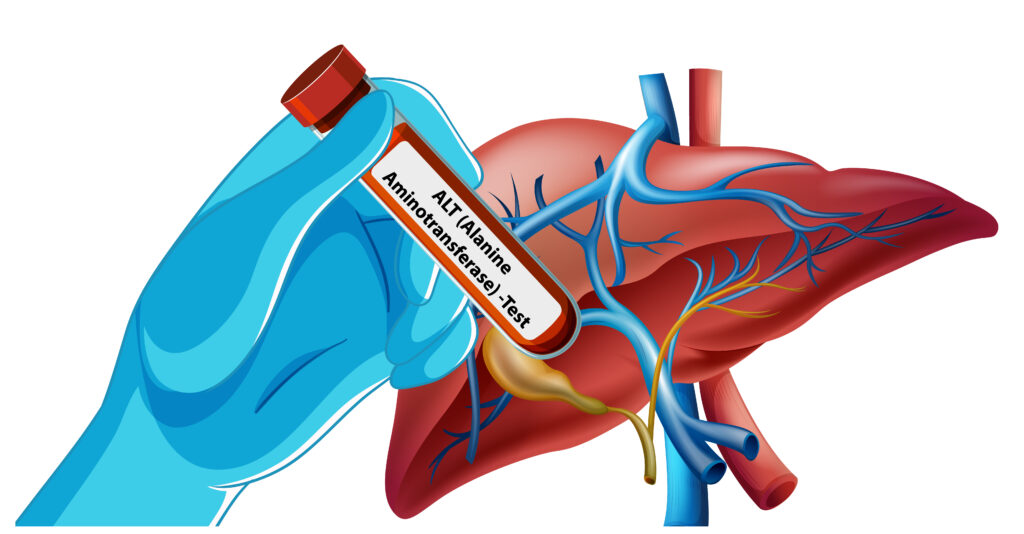
- In China, hospitals use AI to monitor liver enzyme fluctuations.
- In Europe, AI supports liver perfusion techniques to improve graft quality.
These examples show what’s possible with the right investment in technology and training.
Role of AI in India’s Liver Transplant Ecosystem
India is gradually adopting AI tools in leading hospitals. However, usage is still limited to private centres and research institutions.
Leading adopters include:
- AIIMS, Delhi: Research on predictive models for transplant outcomes.
- Apollo Hospitals: Using AI to match donors and reduce wait times.
- Narayana Health: Exploring machine learning in liver care.
What’s needed:
- Wider adoption across tier-2 and tier-3 cities.
- More AI training for doctors and transplant staff.
- Public-private partnerships to make AI tools affordable.
Government support is also critical. HealthTech incubators and AI funding can boost adoption at the grassroots level.
How Patients and Families Benefit
AI doesn’t just help doctors. It also empowers patients and caregivers.
Here’s how:
- Faster eligibility results reduce waiting time.
- Better matching increases transplant success.
- Post-op monitoring apps reduce hospital visits.
- Predictive alerts improve peace of mind for families.
AI-enabled telemedicine can bring quality care to remote towns and villages. Follow-ups no longer have to mean travel and long queues.
Ethical and Legal Considerations
While AI holds promise, there are risks that must be managed.
Key concerns include:
- Data privacy and secure storage of patient records.
- Bias in algorithms trained on limited datasets.
- Responsibility in case of wrong AI predictions.
AI in healthcare must follow ethical guidelines. It should support and not replace human judgment. Doctors must understand how AI tools work and when to override them.
Future of AI in Indian Liver Transplants
India has one of the largest AI talent pools in the world. Combining this with its expanding healthcare sector can transform transplantation.
Future directions:
- AI chatbots for transplant FAQs in local languages.
- National donor databases powered by AI search tools.
- Smart ICU systems to manage post-op care more efficiently.
With time, AI could help bridge the urban-rural healthcare gap. It could also make liver transplants more predictable, affordable, and accessible to all.
Conclusion
Liver transplantation is evolving fast. With the power of Artificial Intelligence, India can overcome some of its biggest challenges in this field. AI can reduce human error, improve survival rates, and ease the burden on patients and doctors alike.
But for this transformation to succeed, collaboration is key. Hospitals, startups, doctors, and the government must work together. Training and ethical oversight must go hand in hand with innovation.
As India embraces digital health, AI will be a game-changer in liver care. It will not only save more lives, but it will also improve the quality of those lives.