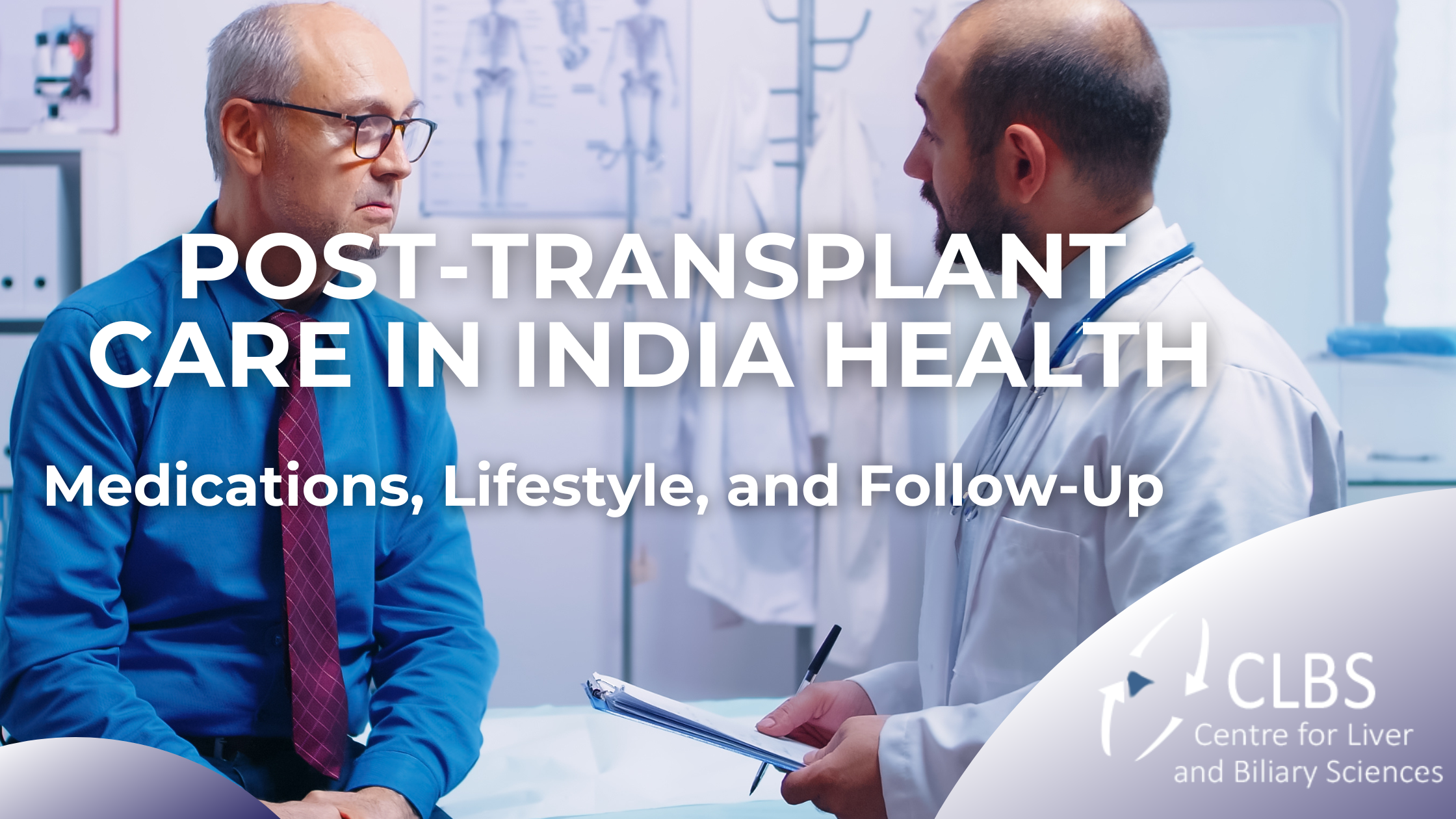
A successful organ transplant is only the beginning. What follows is a lifelong commitment to health and care. For patients in India who have received organ transplants, especially liver, kidney, or heart, post-transplant care plays a vital role in survival and quality of life.
This phase involves medications, regular check-ups, lifestyle changes, and emotional support. Without proper follow-up, even the best surgeries can fail. Many patients are unaware of how important this stage is.
This blog outlines the essentials of post-transplant care in India. It highlights the challenges, offers practical tips, and shows how patients and families can ensure long-term wellness.

Current Scenario in India
India has made notable progress in transplant surgeries. Centres of excellence are performing thousands of successful transplants each year. However, post-transplant care still needs significant improvement.
Challenges:
- Follow-up rates drop drastically after discharge.
- Many patients do not follow medical advice consistently.
- Access to transplant specialists is limited in smaller towns.
- Medication costs can be high and unmanageable for some families.
According to a study by AIIMS, over 20% of liver transplant patients were lost to follow-up within the first year. This puts them at serious risk of rejection, infection, or other complications. Awareness and systems to support care must be strengthened.
Medications After Transplant
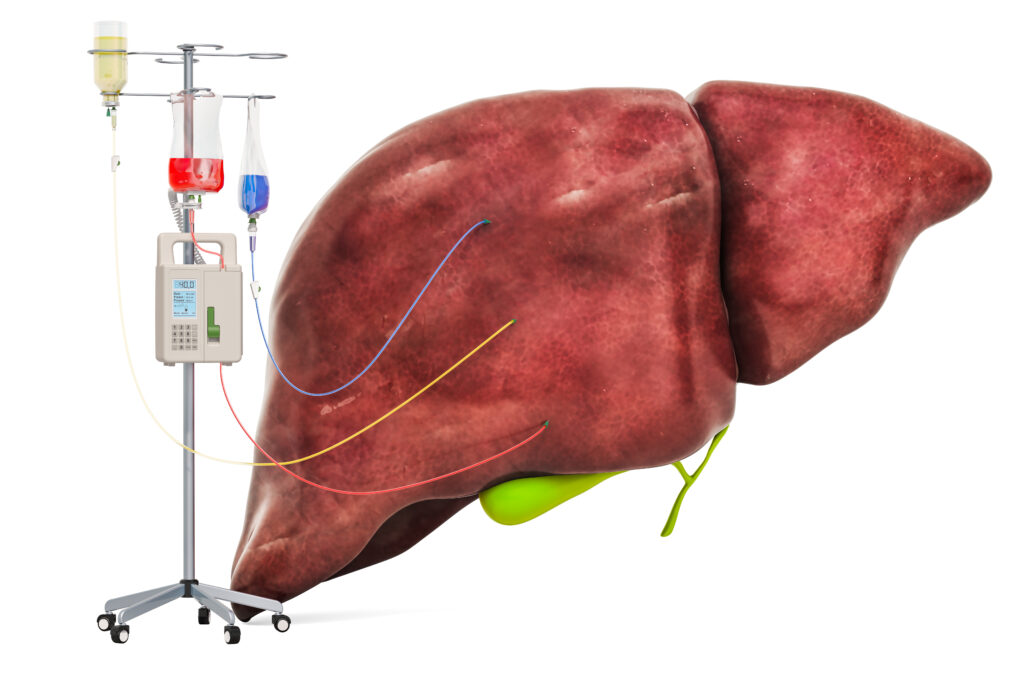
Immunosuppressive medications are the backbone of post-transplant care. These drugs help prevent the body from rejecting the new organ.
Common types of medication:
- Calcineurin inhibitors (e.g., Tacrolimus, Cyclosporine)
- Steroids (e.g., Prednisolone)
- Antimetabolites (e.g., Mycophenolate Mofetil)
Key points to remember:
- Medications must be taken exactly as prescribed.
- Skipping doses can lead to rejection.
- Regular blood tests are needed to monitor levels.
- Some medications cause side effects like weight gain, diabetes, or high BP.
Patients are often required to take medications for life. Over time, doses may reduce but stopping them is not advised unless directed by a doctor.
Lifestyle Adjustments
Returning to normal life takes time. Patients need to make certain lifestyle changes to stay healthy and prevent complications.
1. Diet and Nutrition
- Eat a low-salt, balanced diet with fruits and vegetables.
- Avoid raw seafood, street food, and undercooked meat.
- Drink boiled or filtered water.
- Limit sugar intake to prevent diabetes caused by steroids.
A nutritionist can help create a personalised meal plan.
2. Hygiene and Infection Control
- Wash hands regularly and use sanitiser when outside.
- Avoid crowded places, especially in the first six months.
- Wear a mask if immunity is low.
- Keep wounds clean and watch for any signs of infection.
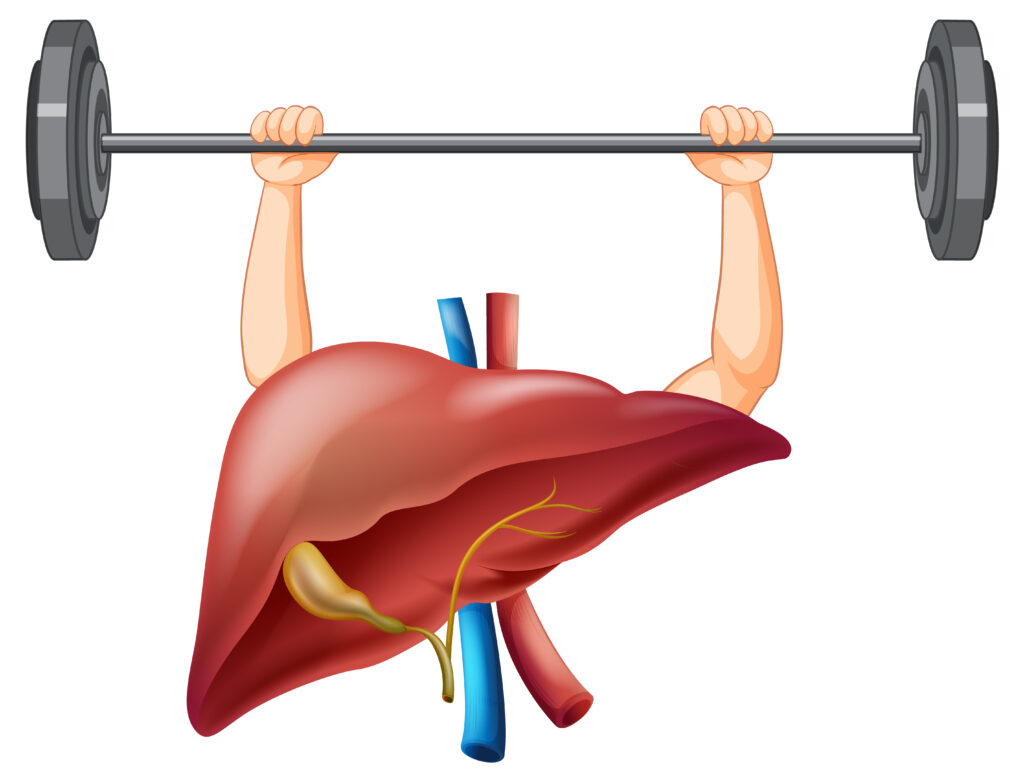
3. Physical Activity
- Start with gentle walking and stretching.
- Avoid heavy lifting or intense exercise in the early months.
- Gradually increase activity as advised by the doctor.
4. Avoiding Alcohol and Tobacco
- Alcohol can damage the liver and interact with medications.
- Smoking increases the risk of infections and heart issues.
- Patients must avoid both completely.
5. Mental Health and Recovery
- Many patients feel anxiety or depression post-transplant.
- Counselling and support groups can help.
- Family support is crucial during recovery.
Follow-Up and Monitoring
Regular follow-up is non-negotiable. It allows doctors to detect problems early and adjust medications as needed.
A typical follow-up schedule:
- First month: Weekly visits and frequent blood tests.
- Months 2–6: Fortnightly or monthly check-ups.
- After 6 months: Quarterly reviews, then bi-annual if stable.
Key monitoring areas:
- Organ function (e.g., liver or kidney tests)
- Blood pressure and sugar levels
- Immunosuppressant drug levels
- Signs of organ rejection or infection
Patients should maintain a personal health record. It helps track all reports, doses, and appointments. When you get discharged after a transplant, your consulting surgeon will tell you to maintain a diary. In this diary, note down everything, even the smallest anomaly. Every time you go to the hospital for a checkup, take your diary and share your observations with your doctor.
Common Issues After Transplant
Awareness of common complications helps in early detection and treatment.
1. Organ Rejection
- May happen if the immune system attacks the new organ.
- Symptoms include fever, pain, fatigue, or abnormal test results.
- Needs immediate medical attention.
2. Infections
- Immunosuppression makes patients vulnerable to infections.
- Pneumonia, urinary infections, and viral fevers are common.
3. Side Effects of Medication
- High blood sugar, BP, weight gain, and bone loss.
- Long-term issues may include kidney damage or cataracts.
4. Emotional Stress
- Anxiety, mood swings, and fear of rejection are common.
- Families should offer constant support and reassurance.
Cost and Access to Care
Managing post-transplant care can be expensive. In India, many families struggle to afford ongoing medication and tests.
Suggested solutions:
- Government health schemes like Ayushman Bharat can cover some costs.
- Some private hospitals offer financial aid or NGO support.
- Patients should ask for generic medicines where possible.
- Teleconsultations can reduce travel and follow-up costs.
Bringing care closer to home through digital tools and trained local doctors can improve compliance and outcomes.
How Families Can Support
Recovery is not just the patient’s responsibility. Family members play a critical role.
Ways to help:
- Ensure medicines are taken on time.
- Help track appointments and tests.
- Provide emotional support and positive reinforcement.
- Watch for any symptoms or behavioural changes.
- Encourage healthy food and lifestyle choices.
Families that work together improve survival rates and quality of life.
Technology and Digital Tools
Technology is making it easier for patients to manage care.
Helpful tools:
- Mobile apps to remind patients to take medicines.
- WhatsApp groups with doctors for quick advice.
- Online lab reports for remote monitoring.
- AI-powered alerts for test result changes.
Hospitals should offer post-transplant care kits that include guides, calendars, and helpline numbers.
In Conclusion
Post-transplant care is a lifelong journey. It requires discipline, planning, and strong support systems. In India, while the focus has long been on surgery, it’s time we gave equal importance to what happens after the operation.
With the right medication, follow-up, and lifestyle, transplant patients can lead healthy, meaningful lives. But they cannot do it alone. Families, doctors, and communities must step in and support the process.
If you or someone you love has received an organ, remember that this second chance must be protected. With care and commitment, life after a transplant can be full of hope.