
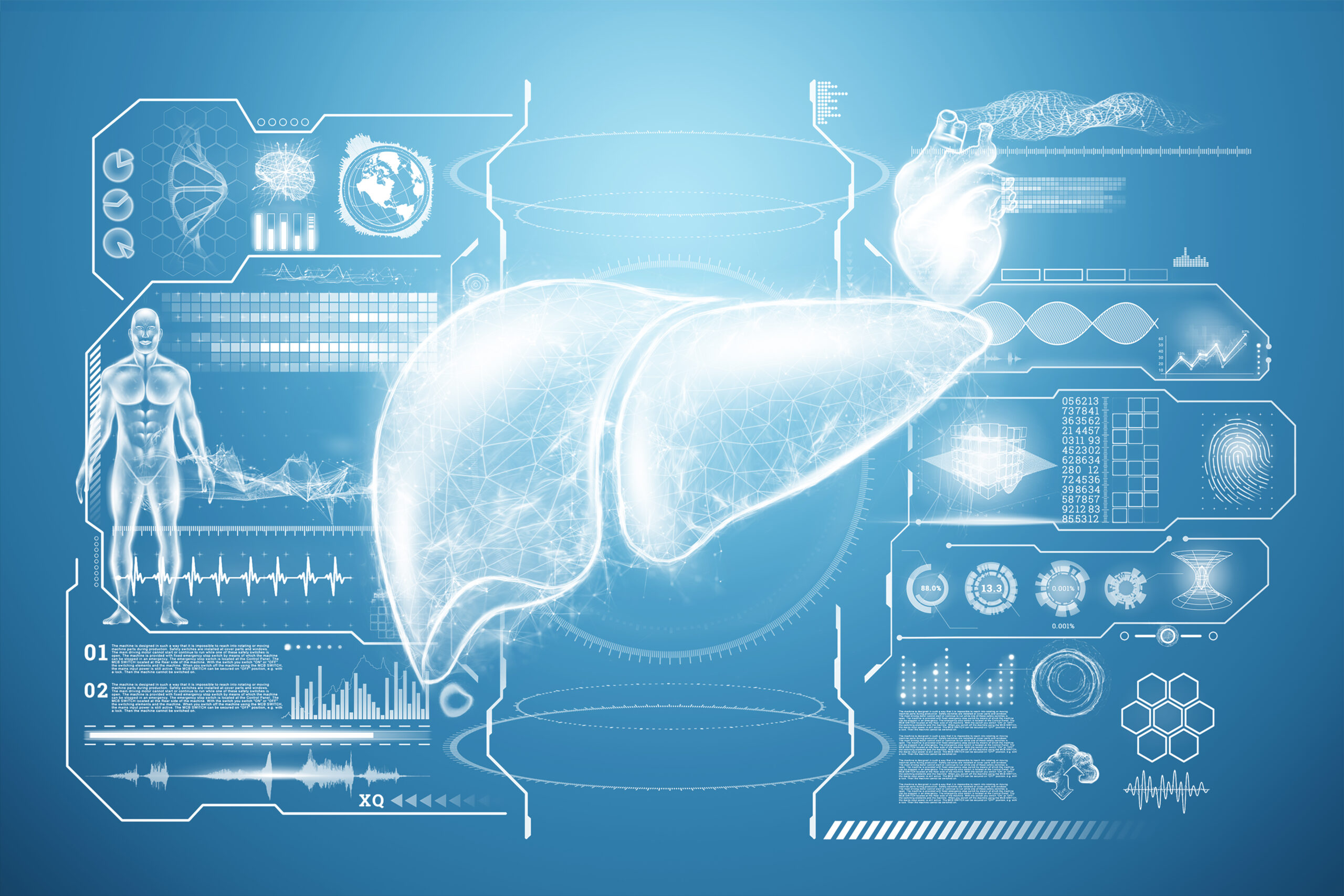
Recent breakthroughs in liver transplantation are changing patient experiences and outcomes, especially in India. Advanced robotic surgery and the promise of 3D bioprinting are steadily improving life after transplant for both recipients and donors. Transplant Liver India is committed to leading these changes, providing excellent care at every stage, from pre-transplant follow-up to complex procedures, such as combined liver-kidney transplants.
Robotic-Assisted Liver Transplantation: A New Era
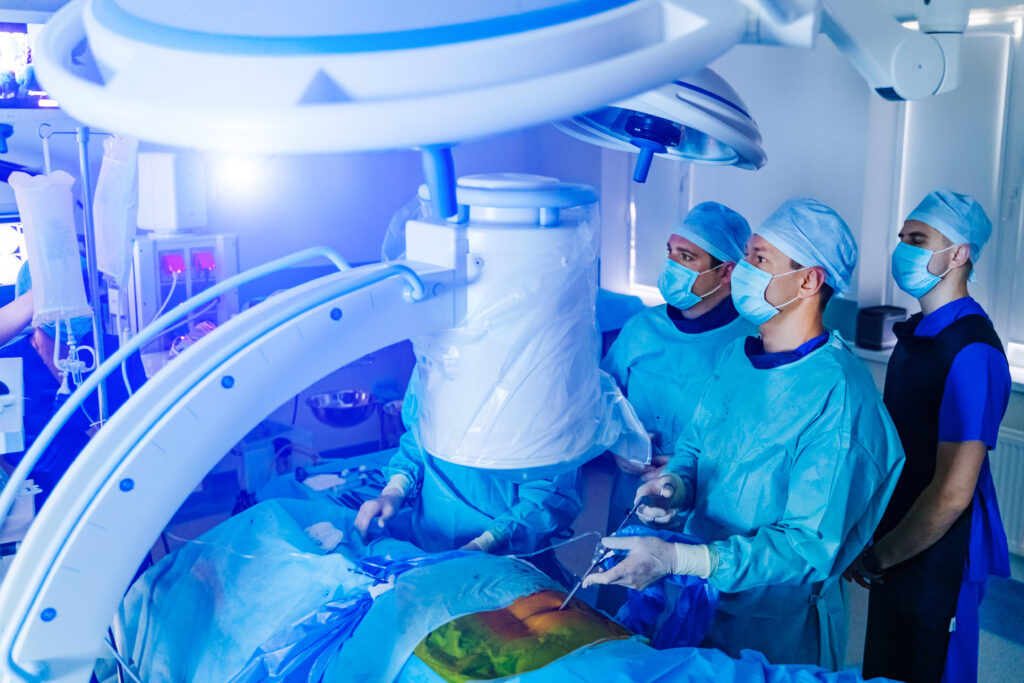
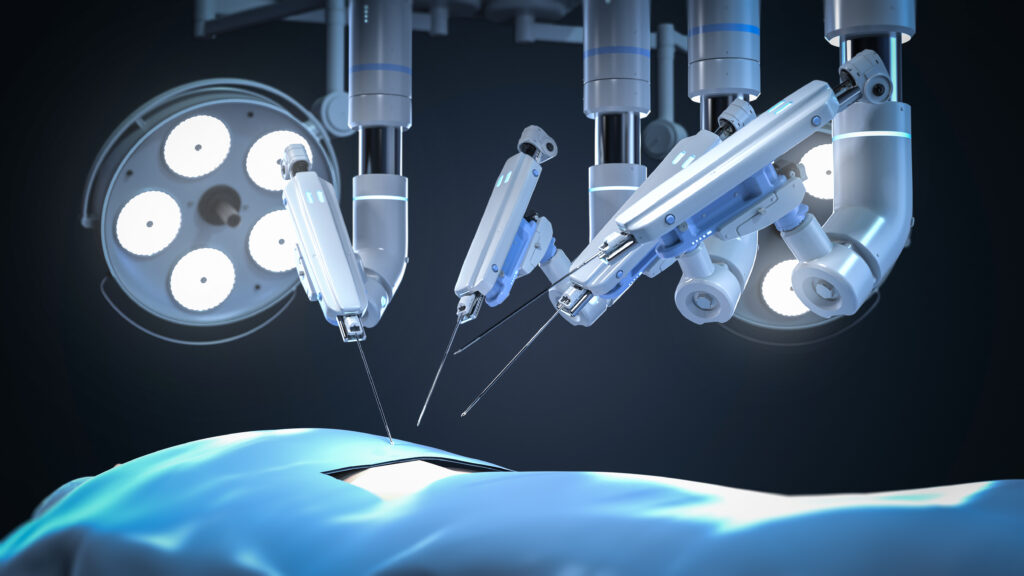
Robotics has changed what is possible in liver transplantation. Today, major transplant centers use advanced robotic systems for both living donor and recipient surgeries. This approach offers more precision and less trauma than traditional open surgery. In 2025, the first fully robotic living donor liver transplant was performed with the da Vinci 5 system, showing that smaller incisions, precise sutures, less blood loss, and faster recovery are possible. As a result, patients often experience less pain, fewer complications, and shorter hospital stays, sometimes returning to their daily lives much sooner than with open surgery.
Robotic donor hepatectomy, now used in top Indian centers like Max Hospital, makes live donor liver transplants safer for donors. Compared to traditional and laparoscopic methods, robotic surgery usually means less blood loss, less pain, shorter ICU and hospital stays, and fewer infections. This leads to better outcomes for both donors and recipients. These improvements matter to families, as live donor liver transplant is still the main treatment for children and adults with end-stage liver disease in India.
3D Bioprinting: The Promise Ahead
While robotic transplantation is changing current practice, 3D bioprinting has the potential to shape the future of transplantation. This technology aims to create custom liver grafts from a patient’s cells, which could help avoid immune rejection and address organ shortages. Fully functional bio-printed livers are not yet available for human transplantation, but research is progressing rapidly. Early trials have involved the creation of small organ models and tissue scaffolds. In the coming years, this progress may give patients new options for both single and combined organ transplants.
Rigorous Pre-Transplant Case Follow-Up: Laying the Groundwork
Careful pre-transplant follow-up is crucial to achieving good outcomes, regardless of the surgical method used. Transplant Liver India’s thorough evaluation includes medical checks, psychological support, nutrition advice, infection screening, and family counseling. This preparation helps both recipients and donors maintain optimal health before surgery. Good pre-transplant care also means that problems are identified early, donors and recipients are well-matched, and recovery proceeds more smoothly.
Life After Transplant: Restoring Hope and Health
Thanks to new technology and team-based care, life after a transplant is now more rewarding and stable. Patients experience fewer complications immediately after surgery and have better long-term survival rates, often exceeding 90% in the first year and remaining high in subsequent years. Most importantly, people who receive transplants can become independent again, go back to work or school, and take part in family and community life—things that were not possible with advanced liver disease.
Continued post-transplant follow-up remains essential for monitoring graft function, managing immunosuppression, and early detection of late complications. Thanks to modern protocols, issues such as infection, bile duct problems, and chronic rejection are now managed more effectively.
Liver Transplant Cost in India: Accessibility and Affordability
Cost is a major concern for Indian families thinking about transplantation. Even though advanced procedures like robotic surgery can cost more, the total price of a liver transplant in India is still much lower than in Western countries, and the quality of care is not compromised. Many top Indian centers offer packages that usually range from INR 18 to 30 lakhs for standard procedures. Costs may go up if the case is more complex or if a longer ICU stay is needed. More support from charities, government insurance, and corporate plans is making organ transplants available to a wider range of people.
Combined Liver-Kidney Transplant: Meeting Complex Needs
For some patients with advanced liver disease and chronic kidney failure, a combined liver-kidney transplant is the best, and sometimes only, way to survive and stay healthy long-term. India’s largest transplant programs have had success with these complex procedures, often using robotic help when possible. This approach reduces surgical trauma, facilitates smoother recovery, and enhances the likelihood that both the liver and kidney will function properly. Robotic and minimally invasive surgery are especially helpful for these patients, who are often very fragile and need the best chance at recovery.
Conclusion: Pioneering the Future, Improving Lives
With the advancement of robotics, living donor liver transplants, and complex surgeries in India are now closer to meeting the best global standards. The future of 3D bioprinting also holds promise for improved access and better outcomes. Careful pre-transplant follow-up and new surgical techniques help make each patient’s journey from diagnosis to recovery as safe and positive as possible. By supporting these advances, Transplant Liver India stays committed to restoring both health and hope for every patient and family.