-
The Most Trusted
Liver Transplant Centre in India. Welcome to CLBS

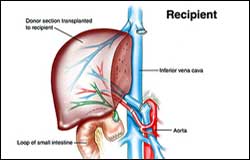
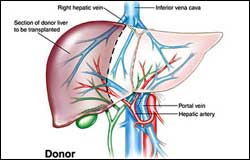 Living donor liver transplantation, made possible by the unique ability of the liver to regenerate within 6-8 weeks, is a life-saving procedure. Success with living kidney donation, coupled with the chronic shortage of organs and long waiting times for pediatric patients with end-stage liver disease, stimulated the development of living donor liver transplantation. In 1989, the first living donor liver transplant was performed in the U.S. between a mother and her child who had irreversible liver damage. Since that time, thousands of children and adults have received living donor liver transplants, with outcomes comparable to deceased donation.
Preliminary results with adult-to-adult living donor liver transplantation, in which a healthy adult's full right or full left side of the liver is transplanted into another adult, are also very encouraging. It is important to note that only those people with irreversible liver failure, for whom all other medical or surgical treatments have failed, qualify as candidates for a liver transplant. The prevalence of the hepatitis C virus, which can lead to irreversible liver damage, along with the chronic shortage of deceased donors, has resulted in long waits for those in need of a transplant.
Advantages of living liver donation
 Advantages of living liver donation: Living liver organ donation provides those waiting for liver transplantation with many advantages over deceased organ donation. These include:
Shortened waiting times:
The time it takes for an organ to become available is significantly reduced when it comes from a living donor versus a deceased donor. Patients can be on the waiting list for months or even years, depending on their condition, diagnosis, status, blood type, and size. Many patients will die while waiting for a deceased donor organ. Should a relative or loved one meet the criteria for living liver donation, the wait time and risk of death while on the waiting list can be reduced.
Healthier donor organ:
Living donors tend to be young, healthy adults who have undergone a thorough medical evaluation. As a result, the liver from a living donor is usually more nutritious than a liver from a deceased donor.
Surgery can be scheduled electively:
With living donor liver transplantation, the recipient can have surgery earlier, increasing the chances of a quicker recovery. In addition, the time between recovering the liver and transplanting it is minimized to minutes instead of hours, as with a deceased donation transplant, something that is critical to the preservation of the donor organ.
A feeling of satisfaction:
Knowing that they have contributed to improving the health of another individual is a very positive psychological experience for a living donor.
©2025. Transplant Liver India. All Rights Reserved. Designed by Raising Web Solutions