
A liver transplant is a major surgery that is absolutely necessary to save the lives of people with extreme liver diseases that have become resistant to medicines. In the last few years, liver transplant in India has been a fabulous, effective, and trustworthy intervention due to the progress in technology, the presence of professional healthcare workers, and top hospitals. With the perfect medical results and low-priced treatments, India is now counted among the top transplant centers in the world.

What Is a Liver Transplant?
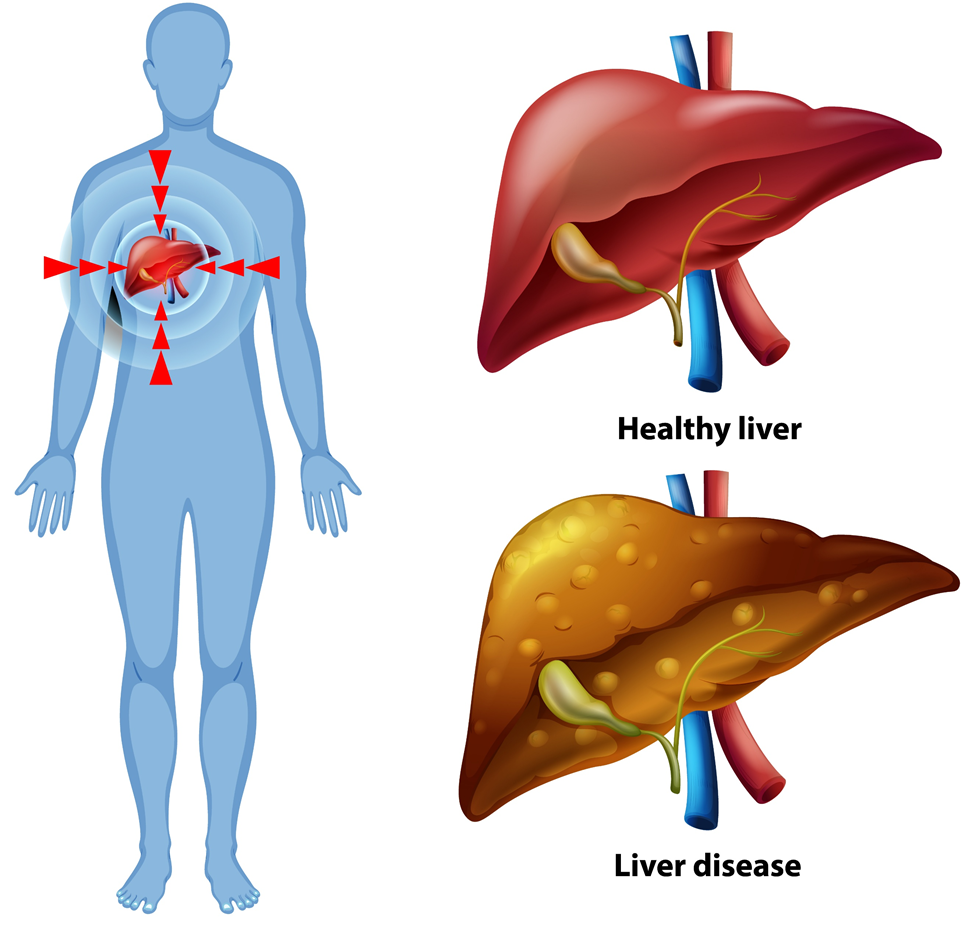
A liver transplant is a process in which a human liver that is severely damaged or one that has stopped functioning because of diseases like cirrhosis, liver failure, or hereditary conditions, the liver transplant is the only solution left, then it is replaced by a healthy liver taken from a donor. The liver is one of the most important organs of the body because it purifies the blood, gets rid of toxins inside the body, supports digestion, and regulates metabolism. Sometimes, when the liver stops working properly
Types of Liver Transplant
There are two major types of liver transplant procedures:
1. Live Donor Liver Transplant
A part of a healthy liver is given to the patient in a live donor liver transplant. Our liver is a unique organ that can regenerate itself, so both the donor and recipient will have fine-sized livers after a certain period. Such a contrivance thereby saves the waiting time and is mostly chosen in countries where it takes a long to get organ transplants.
2. Deceased Donor Liver Transplant
This time the liver is from a donor who is no longer alive. These donations require a doctor’s approval of the donor to ensure safety and compatibility.
In some cases, if a patient is found to have both liver and kidney failure, a combined liver-kidney transplant is performed to preserve both the liver and kidney functions simultaneously.
Understanding Liver Transplants in Children
Liver transplants in children are generally done to alleviate situations such as biliary atresia, metabolic disorders, or acute liver failure. Pediatric liver transplant programs in India are engaged in the implementation of surgical techniques that are specific to the organ anatomy of the child, the involvement of different medical disciplines in the care, and the provision of emotional support to the families.
The success rates for kids who get liver transplants in India are at the top level all over the world due to the presence of distinguished pediatric liver transplant units.
When Is a Liver Transplant Needed?
A liver transplant is considered when:
- Liver damage is irreversible and affects daily life
- A liver that is at the last stage of liver disease or has cirrhosis
- Medications or non-surgical methods have lost their effectiveness
- An acute liver failure situation caused by infections, toxins, or autoimmune diseases
Before the surgery, the healthcare team carries out different tests and a pre-transplant case follow-up to assess the patient’s fitness, his condition, and if the donor is a match. These are tests that involve laboratory analysis, pictures of the body, mental health evaluation, and a review of the patient’s way of life to guarantee success after the surgery.
The Liver Transplant Procedure: Step-by-Step
- Evaluation & Approval: A variety of thorough assessments are performed to verify eligibility for transplant.
- Donor Matching: For a live donor, it is generally the family members who are initially evaluated. If it is a deceased donor, the patient is on the waiting list for organ availability.
- Surgery: The operation involves taking out the liver, which is malfunctioning, and implanting a whole or part of a healthy liver.
- Recovery: Post-operation patients are in the ICU under close monitoring, and then they move to the hospital ward for recovery.
- Post-Transplant Care: Besides the drugs that prevent rejection, frequent medical examinations are also necessary.
The time spent in the hospital is on average about 2 to 4 weeks, depending on how the patient recovers.
Life After Transplant
Life after an organ transplant is mostly bright and hopeful, as the patients get a chance to go back to their regular activities. Once the patient follows proper nutrition and physical activity, is diligent with his/her medication, and keeps the doctor’s appointments, he/she will be able to live a pretty healthy and long life.
The most significant points of a life after a transplant situation are:
- Continuously using immunosuppressive medication
- Not drinking alcohol and not smoking
- Maintaining a hygienic lifestyle
- Regular liver tests and doctor’s visits
- A healthy diet supplying necessary protein and other nutrients
A large number of patients can go back to their jobs in a span of a few months, re-establish social contacts, and experience a better state of mental health.
Liver Transplant Cost in India
Affordable medical treatment is perhaps the single most significant factor that international patients come to India for. Liver transplant cost in India is 4-5 times less than what it will cost in the US, UK, or other developed countries of the West. Basically, the expenditure varies between ₹18,00,000 and ₹30,00,000 according to:
- Hospital infrastructure
- Surgeon’s expertise
- Donor type (live or deceased)
- Patient’s health condition and recovery needs
- Post-surgery medication and follow-up car
Compared to Western countries, the costs in India are still very low. Notwithstanding these costs, the clinical results and success rates are at a very high level, thus placing India among the top destinations worldwide.
Why Choose India for Liver Transplant?
- Highly qualified transplant surgeons with international training
- Advanced surgical technologies and ICU facilities
- Affordable treatment packages
- High success and survival rates
- Dedicated transplant care teams and support programs
Final Thoughts
A liver transplant is a sophisticated but ultimately beneficial operation that has the power to give back life and health to those who experience symptoms of serious liver diseases. Liver transplants in India provide all the facilities of the globe, a highly qualified and skilled medical team, and less expensive treatment alternatives. After surgery, a patient should maintain safe health if proper care is taken and the necessary changes in lifestyle are made.
If a liver transplant becomes necessary, surely you or a family member should visit a certified specialist for advice and a tailor-made treatment plan.