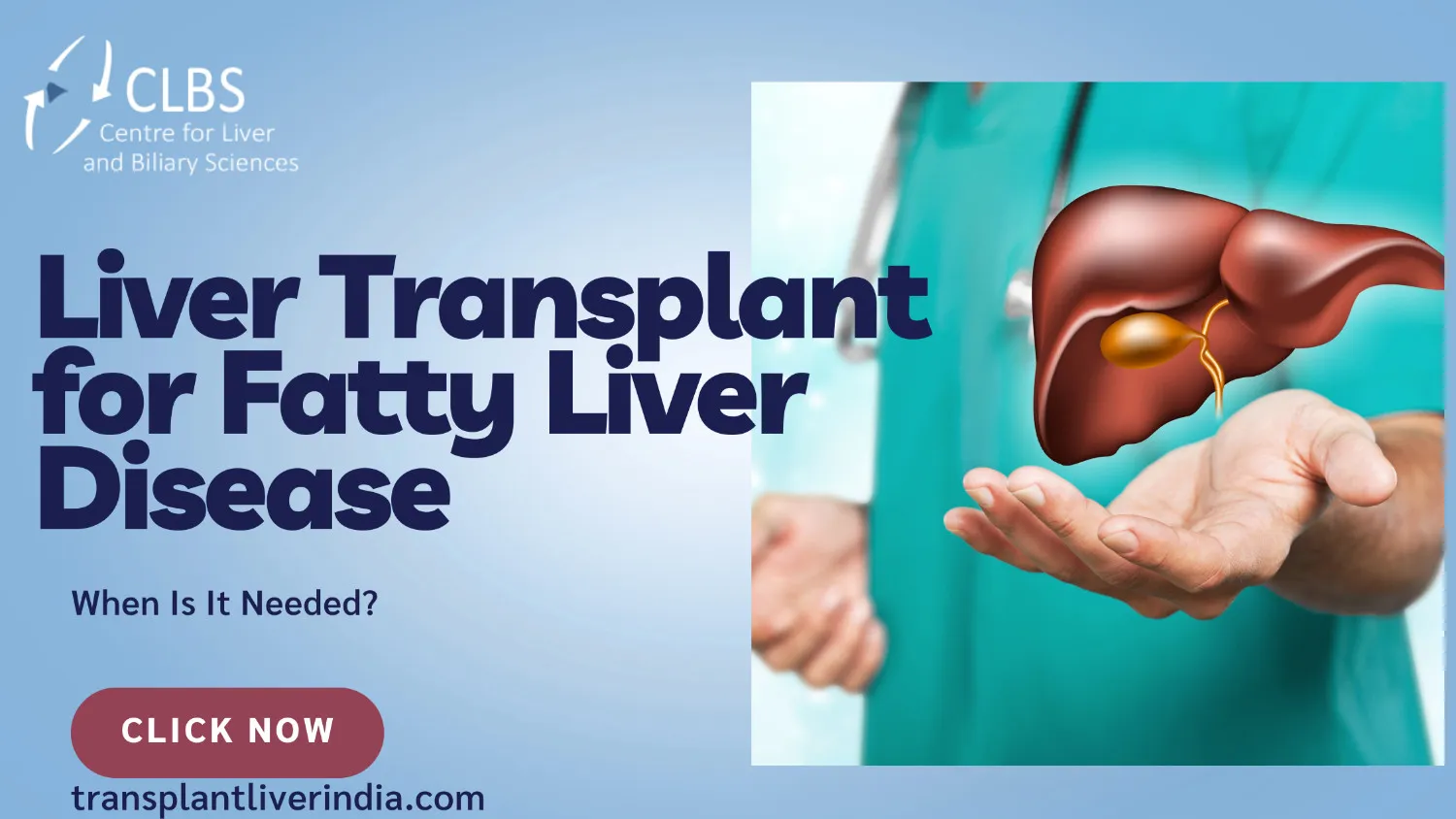
Fatty liver disease has emerged as one of the leading causes of chronic liver illness worldwide. In India, changing lifestyles, rising obesity, and increasing diabetes rates have led to a sharp rise in fatty liver related complications.
While many people live with fatty liver without serious consequences, a small but significant group progresses to advanced liver disease. For these patients, liver transplant may eventually become the only lifesaving option.
Understanding when transplant is needed helps patients and families prepare at the right time. The Centre for Liver and Biliary Sciences (CLBS) at Max Super Speciality Hospital, Saket, has a few tips that you may want to know more about.
Understanding Fatty Liver Disease
Fatty liver disease occurs when excess fat accumulates in liver cells. It is broadly classified into alcoholic fatty liver disease and non-alcoholic fatty liver disease.
The non-alcoholic form is often associated with obesity, diabetes, high cholesterol, and sedentary habits. In its early stages, fatty liver may cause no symptoms and is often detected incidentally during routine tests or scans.
How Fatty Liver Progresses to Advanced Liver Damage
Fatty liver does not always remain harmless. In some individuals, fat accumulation triggers inflammation and liver cell injury. This stage is known as steatohepatitis.
Over time, ongoing inflammation leads to fibrosis, where scar tissue replaces healthy liver tissue. If unchecked, fibrosis can progress to cirrhosis, causing irreversible liver damage and impaired liver function.
Difference Between Fatty Liver and Cirrhosis
It is important to distinguish between simple fatty liver and cirrhosis.
Fatty liver, even with inflammation, may still be reversible with lifestyle changes and medical management.
Cirrhosis, on the other hand, represents permanent scarring of the liver. Once cirrhosis develops, the liver cannot return to normal, and treatment focuses on managing complications rather than reversing damage.
When Fatty Liver Becomes Life-threatening
Fatty liver becomes dangerous when it progresses to decompensated cirrhosis. At this stage, the liver can no longer perform essential functions such as detoxification, protein production, and clotting regulation.
Complications like fluid accumulation, bleeding, infections, and mental confusion signal that the disease has entered a critical phase.
Signs That Indicate Advanced Fatty Liver Disease
Certain symptoms suggest that fatty liver has progressed beyond early stages.
A few common warning signs include:
• Persistent abdominal swelling or leg swelling
• Episodes of confusion or altered sleep patterns
• Unexplained weight loss or muscle wasting
These symptoms require urgent evaluation by a liver specialist.
Medical Management Before Transplant Is Considered
Before considering transplant, doctors exhaust all medical options. Weight reduction, blood sugar control, and cholesterol management form the backbone of treatment. Alcohol avoidance is mandatory, even in non-alcoholic fatty liver disease.
Medicines may be prescribed to control complications of cirrhosis. Regular monitoring helps determine whether the liver remains stable or continues to deteriorate.
When Liver Transplant Becomes Necessary
Liver transplant is considered when fatty liver related cirrhosis leads to liver failure or recurrent complications despite optimal treatment.
Indications commonly include the following:
• Recurrent fluid accumulation or bleeding episodes
• Worsening liver function scores
• Declining quality of life and frequent hospitalizations
At this stage, liver transplant offers the best chance for long-term survival.
Evaluation Process for Liver Transplant
Transplant evaluation is a detailed and structured process. Doctors assess the severity of liver disease, overall physical fitness, and presence of other medical conditions.
Cardiac and pulmonary assessments ensure surgical safety. Psychological evaluation and social support assessment are also important, as transplant requires lifelong commitment to follow up and medication.
Living Donor and Deceased Donor Options
Both living donor and deceased donor liver transplants are used for fatty liver disease. Living donor transplants allow planned surgery and shorter waiting times.
Deceased donor transplants depend on organ availability and waiting list priority. The choice depends on disease severity, donor availability, and individual patient factors.
Outcomes of Liver Transplant for Fatty Liver Disease
Outcomes after liver transplant for fatty liver disease are generally excellent. Survival rates are comparable to transplants done for other causes of cirrhosis.
Most patients experience significant improvement in energy levels, appetite, and overall well-being. However, long-term success depends on strict adherence to medical advice and lifestyle changes.
Lifestyle Changes After Transplant
A liver transplant does not eliminate the underlying metabolic tendencies that caused fatty liver.
The key lifestyle priorities after transplant include:
• Maintaining healthy body weight
• Regular physical activity
• Long term control of diabetes and cholesterol
These changes protect the transplanted liver and improve overall health.
Preventing Fatty Liver Recurrence After Transplant
Fatty liver can recur in the transplanted liver if lifestyle and metabolic issues are not addressed. Immunosuppressive medicines may also contribute to weight gain and diabetes.
Regular follow up, dietary discipline, and early intervention for metabolic changes help prevent recurrence and protect graft function.
Importance of Long-term Follow-up
It is important to remember that after a liver transplant, long-term follow-up is essential. Regular blood tests monitor liver health and medication levels. Imaging studies help detect early changes in the liver.
Ongoing interaction with hepatologists, dietitians, and transplant coordinators ensures that complications are identified early and managed effectively.
Closing Thoughts
Liver transplant for fatty liver disease is not common in early stages, but it becomes necessary when the disease progresses to irreversible liver failure. Early diagnosis, lifestyle changes, and medical management can delay or prevent this outcome for many patients.
When transplant is needed, timely referral and careful preparation make a significant difference. With the right care and long-term commitment, patients can achieve meaningful recovery and a renewed quality of life after transplant.
Patients with fatty liver disease to schedule a consultation at the Centre for Liver and Biliary Sciences (CLBS) at Max Super Speciality Hospital, Saket, to find out liver transplant is their best option.